Understory Agency Alternatives: 5 Best GTM and RevOps Agencies to Consider in 2026


In this post:
Understory is a B2B growth agency. They put paid media and outbound under one team, and add LinkedIn content and HubSpot RevOps for clients who want the full package. They call this setup allbound.
If you're reading this, you're probably weighing them up. Maybe for one of these reasons:
You're doing your due diligence and want to see who else does this kind of work
Six months feels like a big commitment before you've seen any results
You only need one part of what they offer
You'd rather your own team owned the system than an agency
Below, we look at what Understory offers and what it costs. Then we cover five agencies that go about it differently, starting with us.
TL;DR
Understory bundles everything into one retainer. You get ads and outbound, with LinkedIn content and HubSpot work on top. Most contracts last at least six months, and prices aren't public.
The tools and badges won't tell you much. Nearly every agency here uses Clay. And most partner badges measure how much of a tool an agency sells, not how good its work is.
GTM is a sales job, not a tools job. The person building your system should know how your deals get won, not just how to connect the software. That's also why we're not big fans of the term GTM engineering.
Each alternative fits a different job:
Nebor, for a GTM (and RevOps) system that automates all your sales and marketing functions and makes your sales team more efficient, built by salespeople.
Hey Digital, for paid media at B2B SaaS companies
RevPartners, for RevOps on HubSpot and Clay
Go Nimbly, for large RevOps projects
The Kiln, for custom Clay engineering
Use our questions on every call. The best one to start with is "Who on your team has actually sold, and for how long?"
Looking for Understory Agency alternatives? In this post, we compare five of them, including Nebor, and explain what each one is best for.
Nebor is a GTM and RevOps agency founded by two salespeople. We build your outbound, inbound, ads and CRM as one system, then hand it over to your team to keep.
Book a 15-minute call to discuss your business.
What Understory does, and why teams look elsewhere
Understory is a B2B agency built around one idea. Your channels work better when a single team plans them around the same ICP and the same message. Five vendors trying to connect things after the fact rarely pull that off.
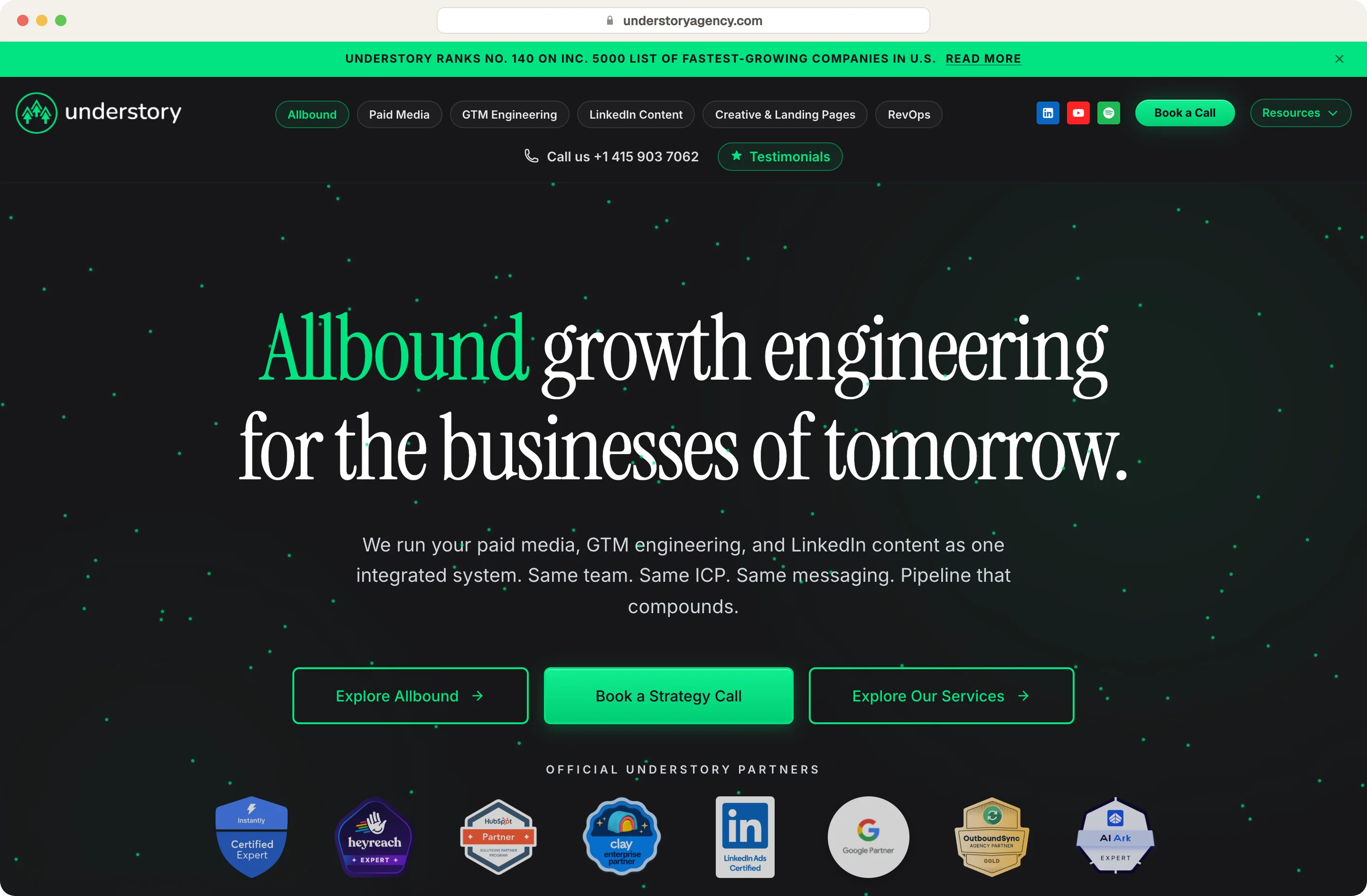
Source: understoryagency.com
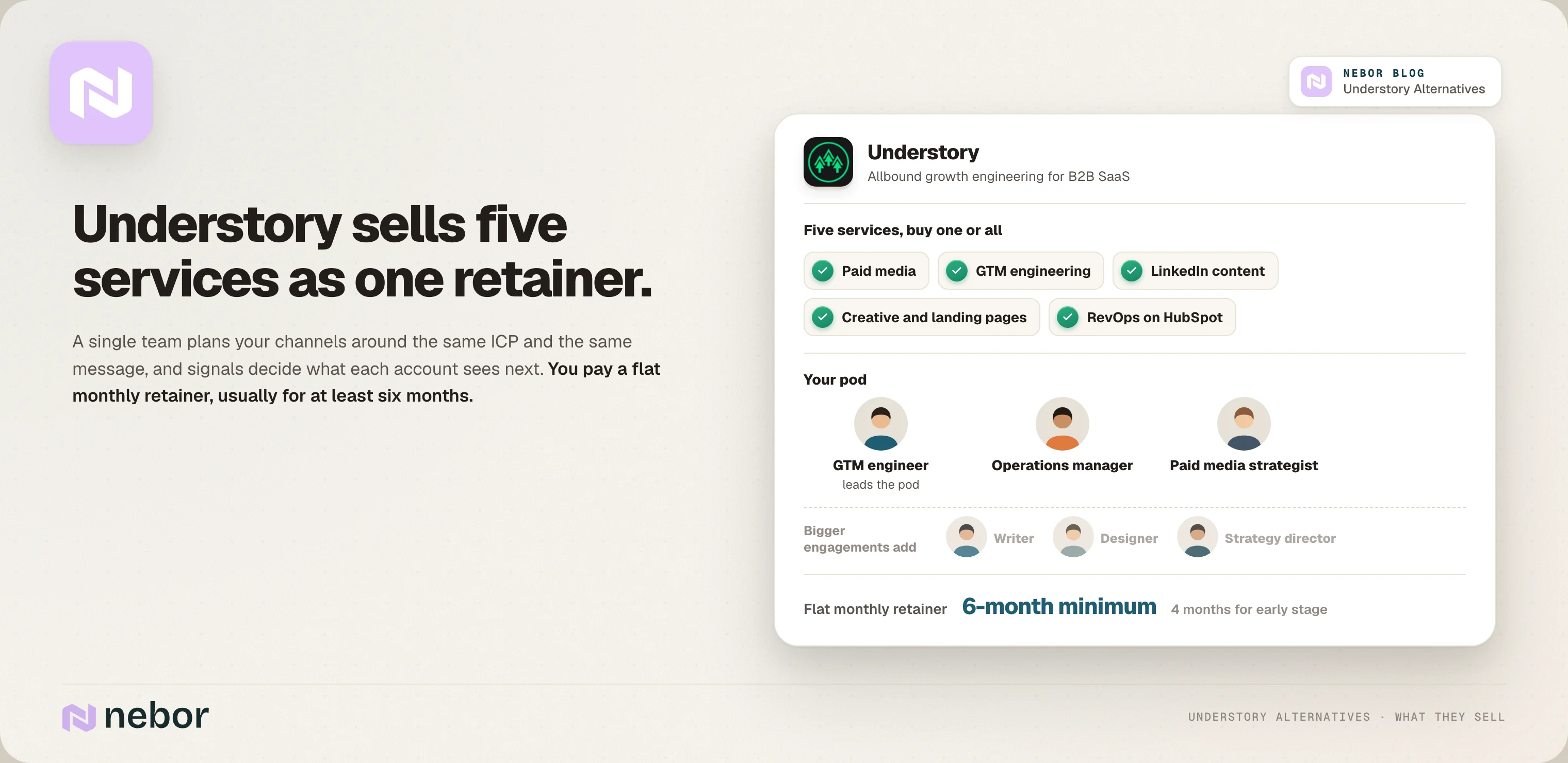
They offer five services, and you can buy one or all of them:
Paid media across the major ad platforms
GTM engineering, which is their name for Clay-based outbound over email and LinkedIn
LinkedIn content written for your founders and executives
Creative and landing pages
RevOps, built on HubSpot
Each client gets a small team they call a pod. A GTM engineer leads it, with an operations manager and a paid media strategist alongside. Bigger engagements bring in a writer and a designer, with a strategy director on top.
Signals are what tie it together. Say someone from a target account visits your pricing page. Or a new VP of Sales starts at a company you've been watching. That signal decides what they see next, whether it's an ad or an email. Everything gets logged back in the CRM.
You pay a flat monthly retainer, usually for at least six months. Smaller and earlier-stage companies can start on four. The first month goes mostly on setup, and you can begin with one channel and add more later.
They don't publish prices. Third-party reviews put their paid media at around $8,000 a month for early-stage companies, rising past $25,000 for enterprise. GTM engineering is reported at around $12,000 a month. Ad spend comes on top of both.
Do the maths on a six-month minimum and the smallest realistic deal comes to about $72,000. That's before you know whether any of it works.
That isn't a crazy number. Good outbound takes months to build properly. But it does change the decision. You're not choosing a monthly fee anymore. You're betting a big chunk of this year's budget on one partner.
That's usually when people start looking around. The reasons tend to fall into a few groups:
They can't justify that kind of commitment yet
They only need one piece, like paid ads or a HubSpot cleanup
They sell by phone, and cold calling isn't something Understory offers
They want their own team working the system, so the know-how stays in-house
Here are the best Understory Agency alternatives and competitors.
Agency | Best at | Model | Published price | Who manages it after |
|---|---|---|---|---|
Understory | Paid, outbound and content from one team | Retainer, 6-month minimum (4 for early stage) | none published | Understory |
Nebor | Allbound engine built by salespeople | Build with a handover | on request | your team |
Hey Digital | Paid media for B2B SaaS | Retainer plus ad spend | none published | Hey Digital |
RevPartners | RevOps on HubSpot and Clay | Fractional team or project | none published | RevPartners, or your team |
Go Nimbly | Large RevOps projects | Planning phase, then build | none published | Go Nimbly, or your team |
The Kiln | Custom Clay engineering | Project retainer | $10k+/mo, 3-month minimum | needs an operator |
What the badges on Understory Agency's homepage (and other GTM or RevOps agencies' site) actually mean
Open almost any agency site in this space, and you'll find a row of partner badges near the top. Maybe a tier name, maybe an award. Understory shows eight partner badges and an Inc. 5000 placement. We have a few badges ourselves.
They look reassuring, and that's the point. But most of them measure something else, and it's not the quality of the work. Here's what the common ones actually mean.
HubSpot partner tiers. These are basically a sales target. Agencies earn points for the HubSpot subscriptions they sell or help manage. By January 2027, reaching Elite takes roughly $55,000 a month in sourced revenue, and Diamond about $25,000. Platinum needs $8,500 and Gold at $2,300.
So a Diamond badge tells you an agency has sold a lot of HubSpot. It doesn't tell you whether the CRMs they set up actually work.
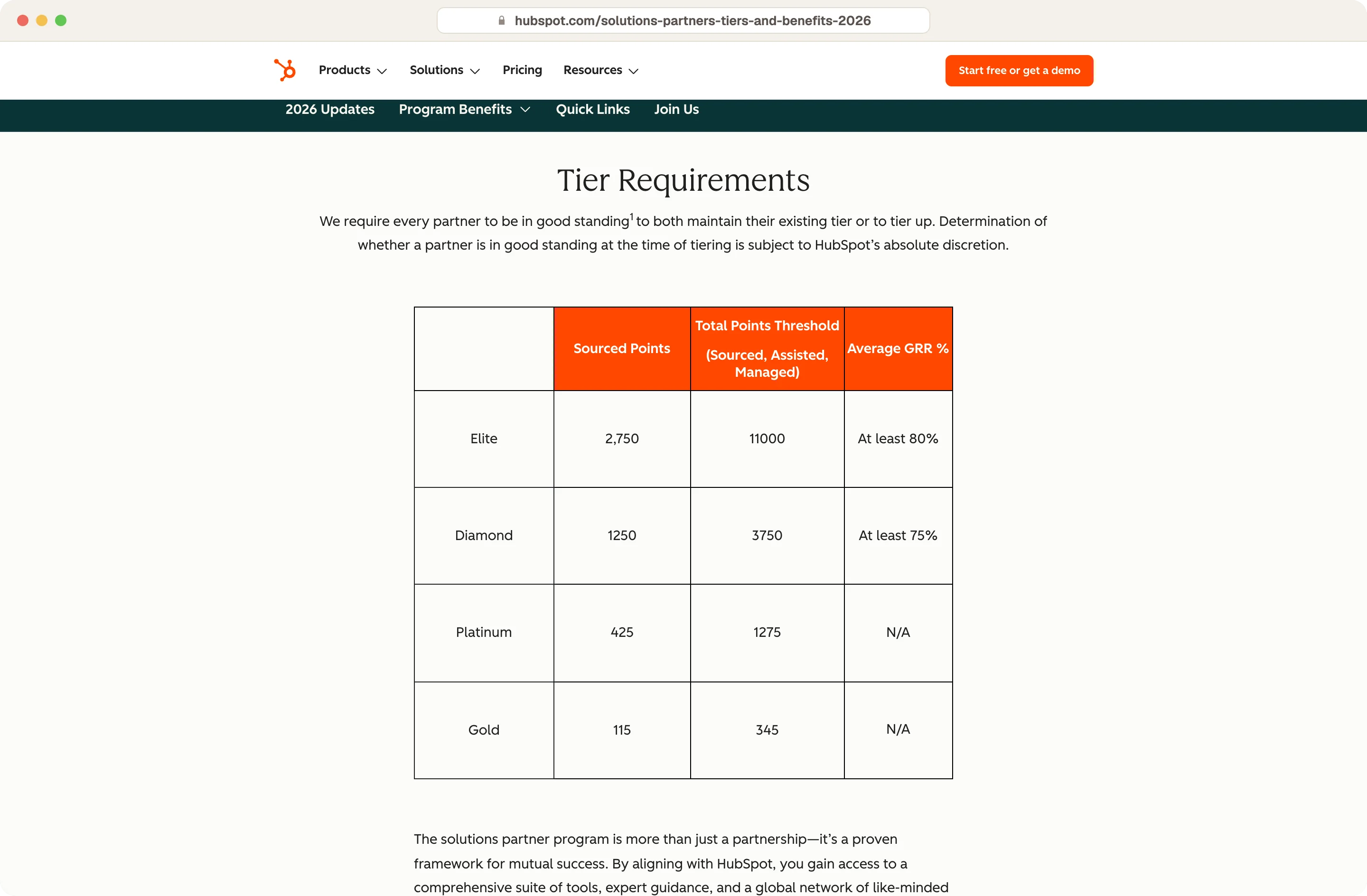
Source: HubSpot
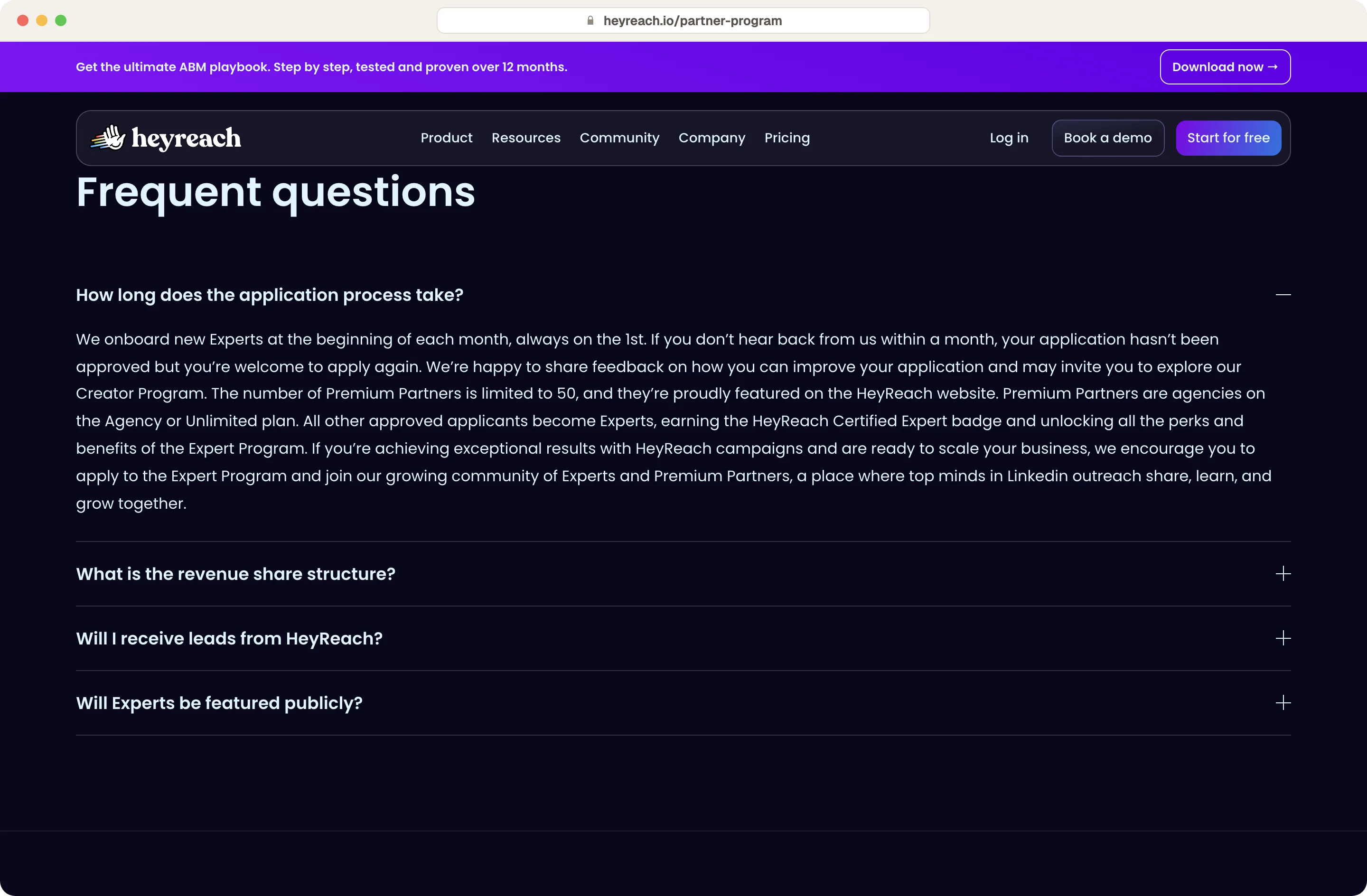
HeyReach's Premium Partner/Expert badge. You get this one by being a customer on their Agency or Unlimited plan. In other words, by spending enough. The list is capped at fifty agencies, and the perks are free seats and a share of affiliate revenue.
Source: HeyReach
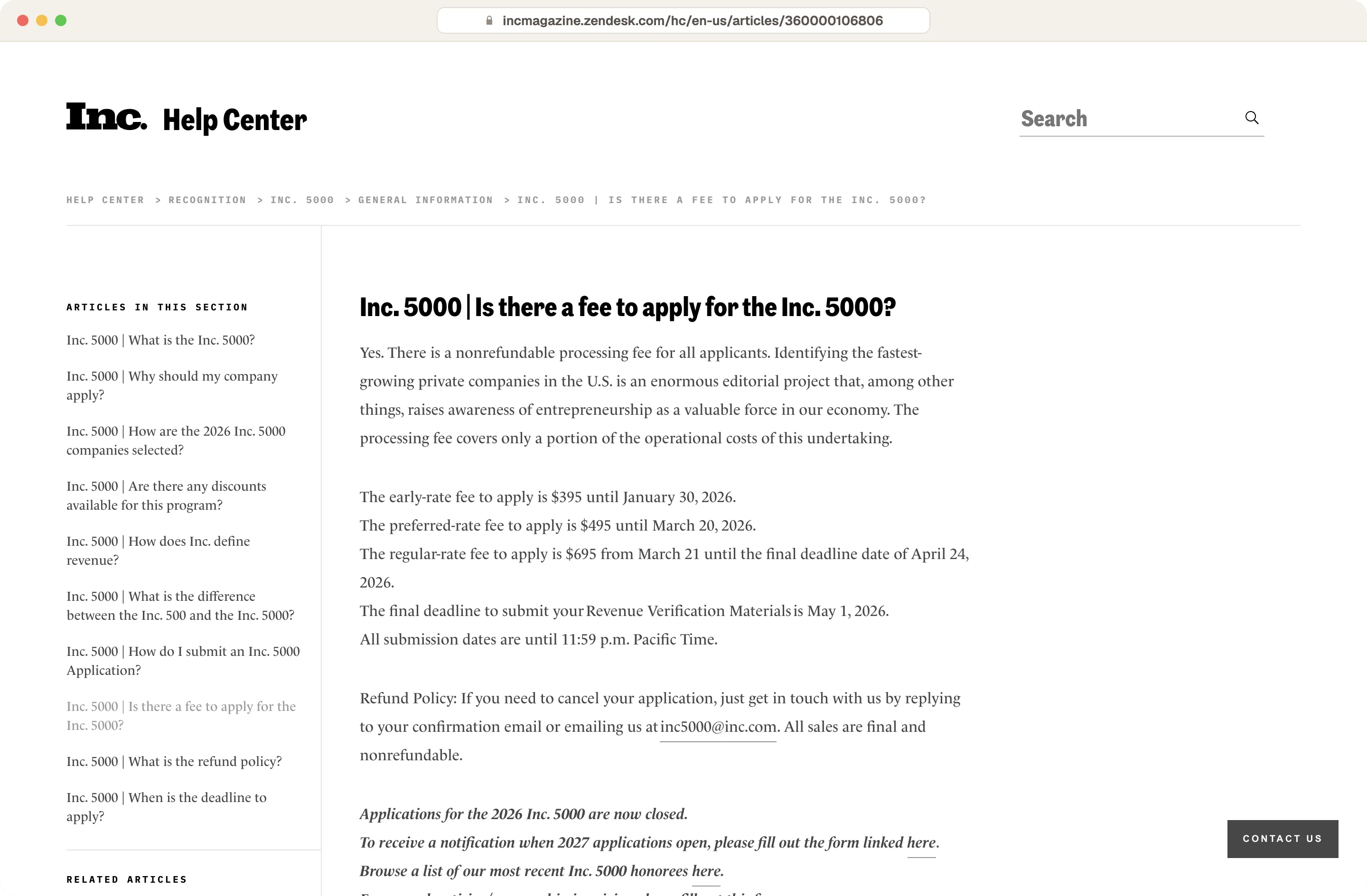
The Inc. 5000. You pay between $395 and $695 to apply, and the ranking is based on three years of revenue growth. Only US companies can enter, so no European agency will ever appear on it. Growing fast is a real achievement. It just says nothing about how good someone's outbound is.
Source: Inc.
Not every badge works this way, though, and it would be unfair to lump them all together.
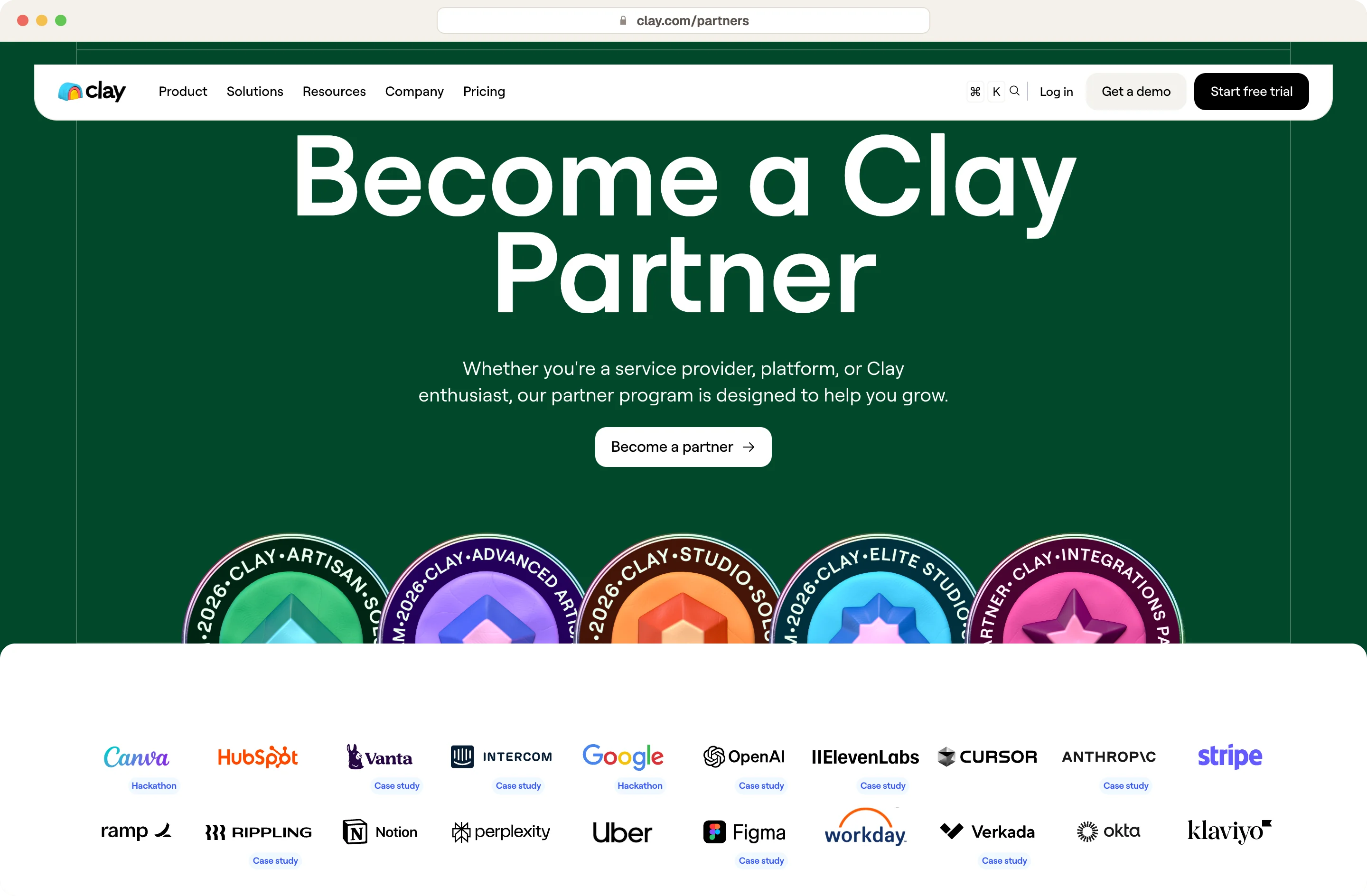
Clay's certification. This one is different because to reach a tier, an agency has to submit real client work, and Clay reviews it against a published standard before placing the agency anywhere from Artisan up to Elite Studio. Someone at Clay has actually looked at the work, and that's worth something.
Source: Clay
This distinction matters because badges show up everywhere in this industry. Search for the best GTM or RevOps agency and you'll find plenty of guides and top 10 lists. A lot of them tell you to check an agency's partner status before anything else.
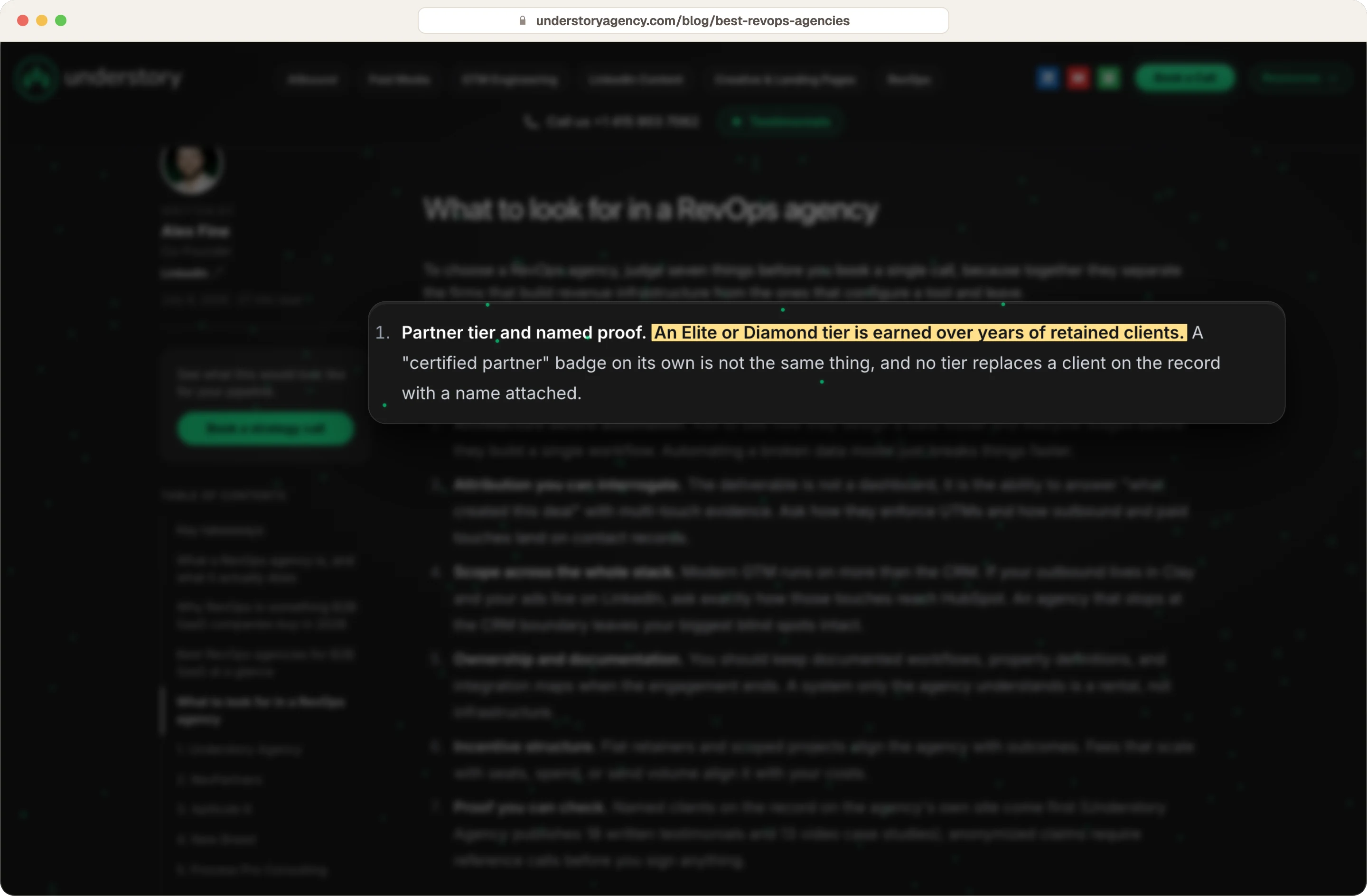
When a guide says a high HubSpot tier is a sign of quality, it's often an agency with that tier telling you to hire someone like them. Understory's own guides to picking a RevOps or GTM engineering agency do this, but they're far from the only ones.
Source: Understory
That doesn't mean the people writing these lists are trying to trick you. It just means the list is built around the author's strengths, not around your problem. So if a badge is the main reason an agency ranks high on a list, take that as a reason to ask more questions, not as proof they’re the right fit.
There’s a second problem with leading on badges. It makes the whole job look like it's about tools. If the best proof of a good agency is its list of software partners, you’d naturally assume the best agency is the one with the most tools and the most complex setup.
But GTM is mostly about sales and marketing. Nobody hires an agency because they want more software. Even if you are looking for a specific tool expertise, you still want someone with sales experience making calls in that tool, contrary to Understory's argument in the last image.
I mean, you are here reading this because something in your sales and/or revenue operations has stopped working. Could be that your pipeline is thin. Maybe your reps keep chasing accounts that don’t buy. Those are sales/growth problems, and the tools are only there to help fix them. As in, they’re just tools.
A badge tells you an agency has a relationship with a tool. It doesn’t tell you whether the person building your system has ever had to hit a sales quota or that they know how to build GTM or RevOps systems that achieve results. And that's the part that decides whether any of it works.
It’s also why we’re not big fans of the label "GTM engineering". Like the badges, it puts the tools at the center of a job that’s really about marketing strategy and selling. We'll come back to that when we talk about how we work.
The 5 best Understory Agency alternatives for GTM and RevOps services
1. Nebor, the GTM and RevOps agency where salespeople do the building
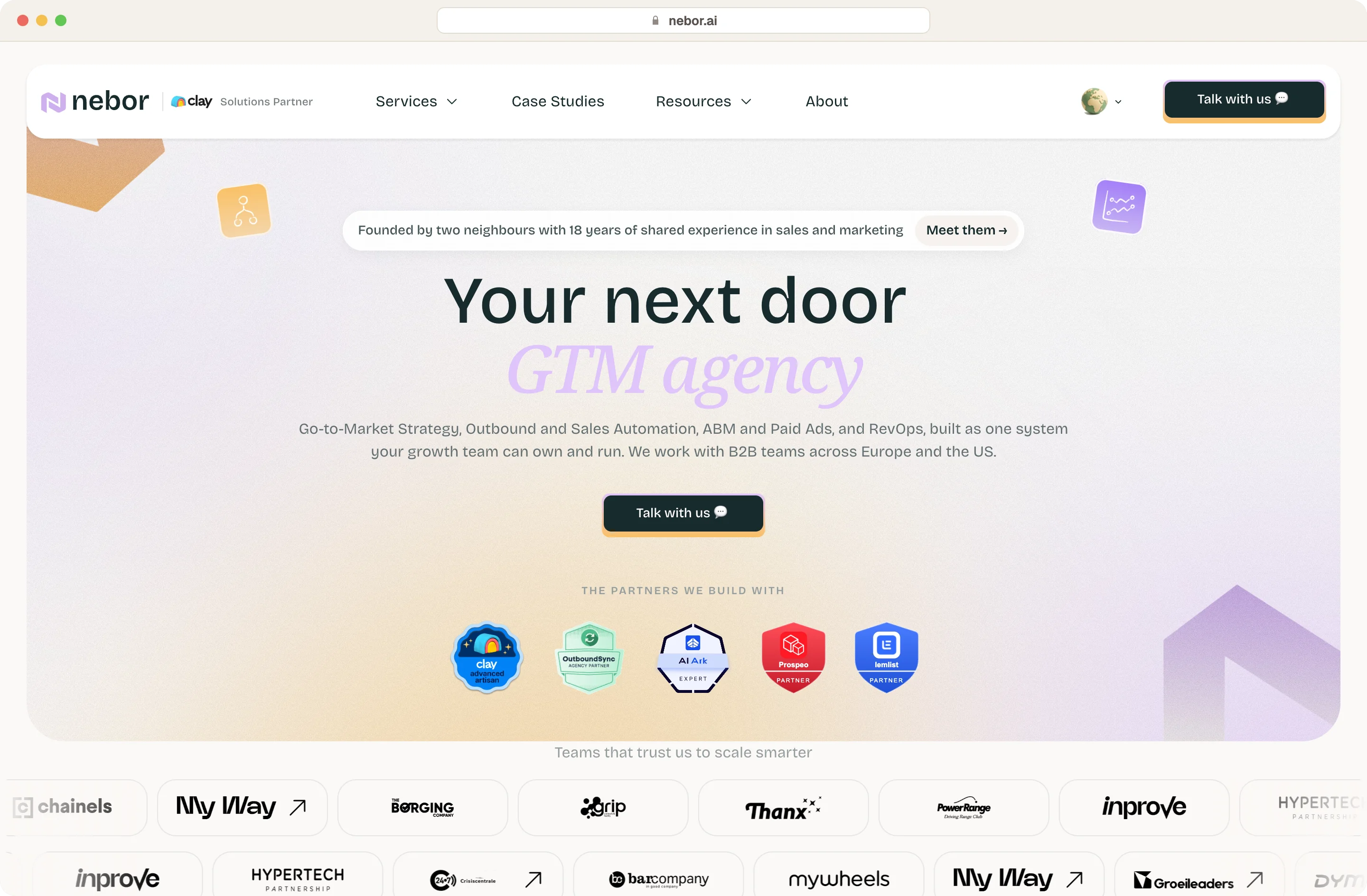
We're a GTM and RevOps agency. Andrew van Rossenberg and Yannick Kok started Nebor after years of selling, and between them they bring 18 years of sales and marketing experience, and you'll notice it in how we work.
Source: nebor.ai
We build your outbound and your paid ads as parts of one allbound engine, along with inbound routing and CRM enrichment. It all lives in your own accounts, and when it's ready, we hand it to your team. We work across the US and Europe, in English and Dutch.
Put simply, Understory's pod works the engine for you. We build yours and get your own people working it.
You get a system built by people with sales experience
Most agencies chasing this work call it GTM engineering now. Understory even sells it as its own service. We understand where it's from, but we're not big fans of it, and you probably have a good idea why.
The technical side is the easier half of the job. Connecting Clay to Instantly takes but an afternoon. Setting up a waterfall takes a bit longer. Any sharp person can learn all of it in a few weeks, and every agency on this list uses the same tools anyway.
The hard half is judgment. Most signals are noise. A funding round on its own tells you very little. A job change only matters if someone moved into a role that buys what you sell.
Then the questions pile up. What should the rep open with? Which accounts look perfect in a spreadsheet and never close? Who else is already talking to this buyer?
If you've sold for a living, you can answer those on the spot. If you've only built pipelines, you usually can't. More engineering won't close that gap, because it's a sales problem dressed up as a technical one.
So we start from the sales side. When we set up your enrichment, every column earns its place because a rep needs it to start a conversation. Not because an API happened to return it.
There's a lot of complexity for sale in this market. Some of it is necessary. Some of it exists because complexity is easier to bill for. We'd rather hand you something simpler that your team opens every morning, because the clever system nobody understands gets abandoned the first busy week.
You get one allbound engine, so every team works from the same data
Understory and we agree on the problem. When ads and outbound are handled by different people in different tools, leads fall through the cracks. Every team turns up to the team meeting with its own number, and nobody agrees on what's working.
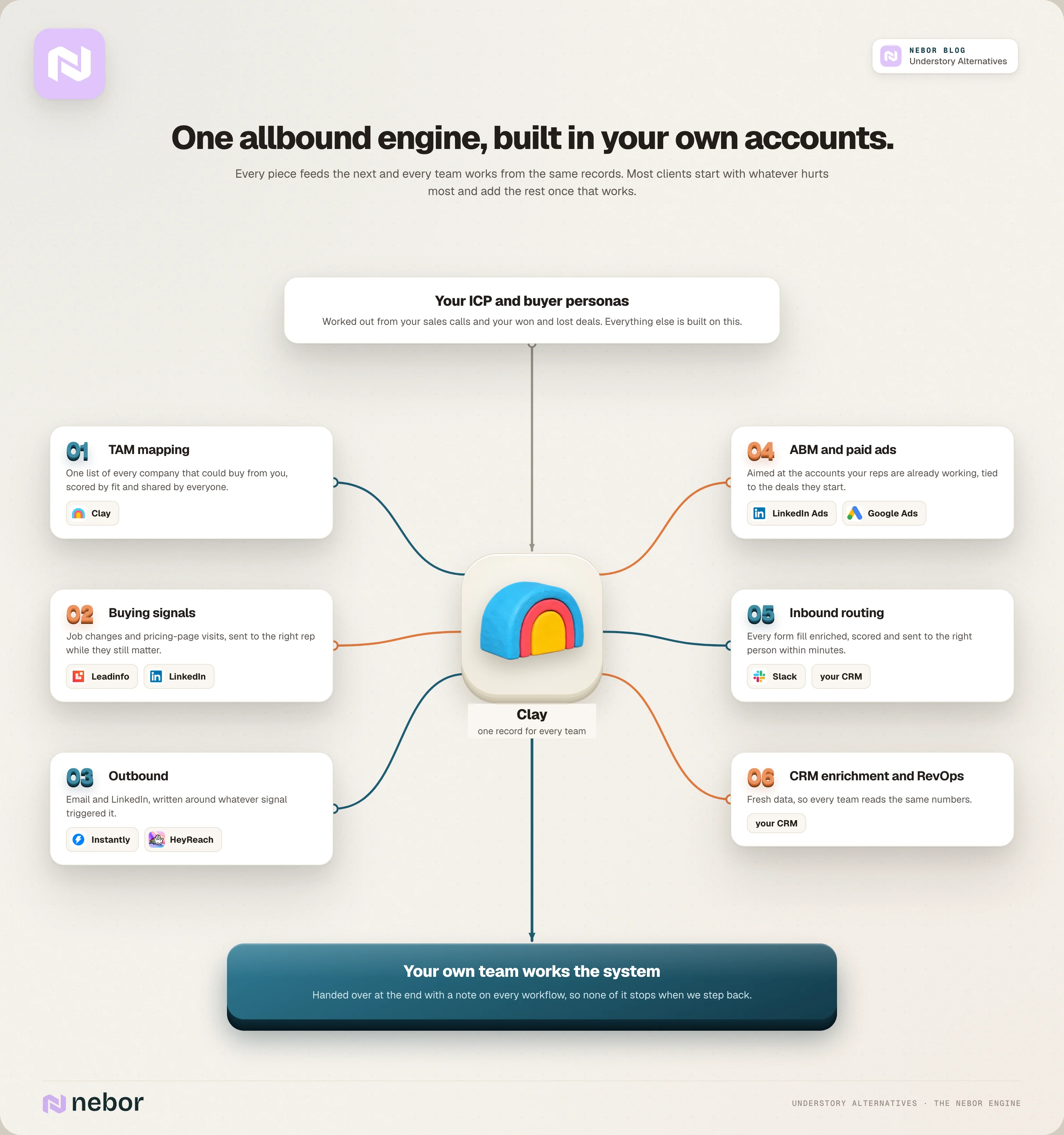
Where we differ is who does the fixing. We build it as one integrated marketing system inside your accounts, where every piece feeds the next, and everyone works from the same records. Here's what goes into it:
Your ICP and buyer personas, worked out from your sales calls and your won and lost deals. Everything else is built on this.
TAM mapping, which gives you one list of every company that could buy from you, scored by fit and shared by everyone.
Buying signals like job changes or visits to your pricing page, sent to the right rep while they still matter.
Outbound over email and LinkedIn, written around whatever signal triggered it.
ABM and paid ads aimed at the accounts your reps are already working, so you can see which deals the spend helped start.
Inbound routing, where every form fill gets enriched and scored, then sent to the right person within minutes.
CRM enrichment and RevOps, so the data stays fresh and every team reads the same numbers.
Because it all works off one record, things start to connect. A signal from customer success can kick off a sales play. An ad click can shape what a rep says on the next call. Marketing can finally see which campaigns turned into revenue.
And since your team is the one using it, none of that stops when we step back.
You don't need all of it on day one. Most clients start with whatever hurts most and add the rest once that's working.
You get a system your own team can own and change
Every agency here will tell you the work lives in your accounts, and most of them mean it. But ownership is the bare minimum. The better question is whether anyone on your team can change the thing six months from now.
The Kiln is upfront that what they hand over needs someone technical to look after it. Plenty of builds are like that. Most agencies just don't mention it.
We build for whoever opens it on a random morning. That means fewer moving parts and logic a RevOps hire can follow. Each workflow comes with a short note explaining why it's set up the way it is. You also pay for your own tools, so nothing gets billed through us.
You get your reps' their weeks back
We create automation workflows that ensure that by the time your reps open the CRM, the research is already done. Inbound leads land with the right person in minutes. RSS feed workflows that capture news about your prospects and competitors your reps act on. There's more.
Nobody has to babysit a spreadsheet to keep records current. And when a champion changes jobs, you hear about it while it's still news.
None of this is flashy. It just hands your salespeople hours back every week. A few results so far:
Dymaxa went from almost no pipeline to €12M in qualified pipeline and 14 new clients.
ExpoGenie got 55 qualified leads in the first three months, 30% of everything coming in.
GroeiLeaders' clients got more than 20 hours a week back from manual sales work.
You get a clear end date and a proper handover
We scope the build and deliver it. Then we document everything and hand it over. Some clients keep us on for the next piece, and plenty don't. We're happy either way. We'd rather not build a business on your team never learning the system.
Most agencies here bill every month for as long as the work continues. There's nothing wrong with that. It just means the longer you depend on them, the better it is for them.
Best for: B2B teams that want outbound and inbound working as one system, built by people who have sales experience.
Looking for Understory Agency alternatives? In this post, we compare five of them, including Nebor, and explain what each one is best for.
Nebor is a GTM and RevOps agency founded by two salespeople. We build your outbound, inbound, ads and CRM as one system, then hand it over to your team to keep.
Book a 15-minute call to discuss your business.
2. Hey Digital, best for paid media at B2B SaaS companies
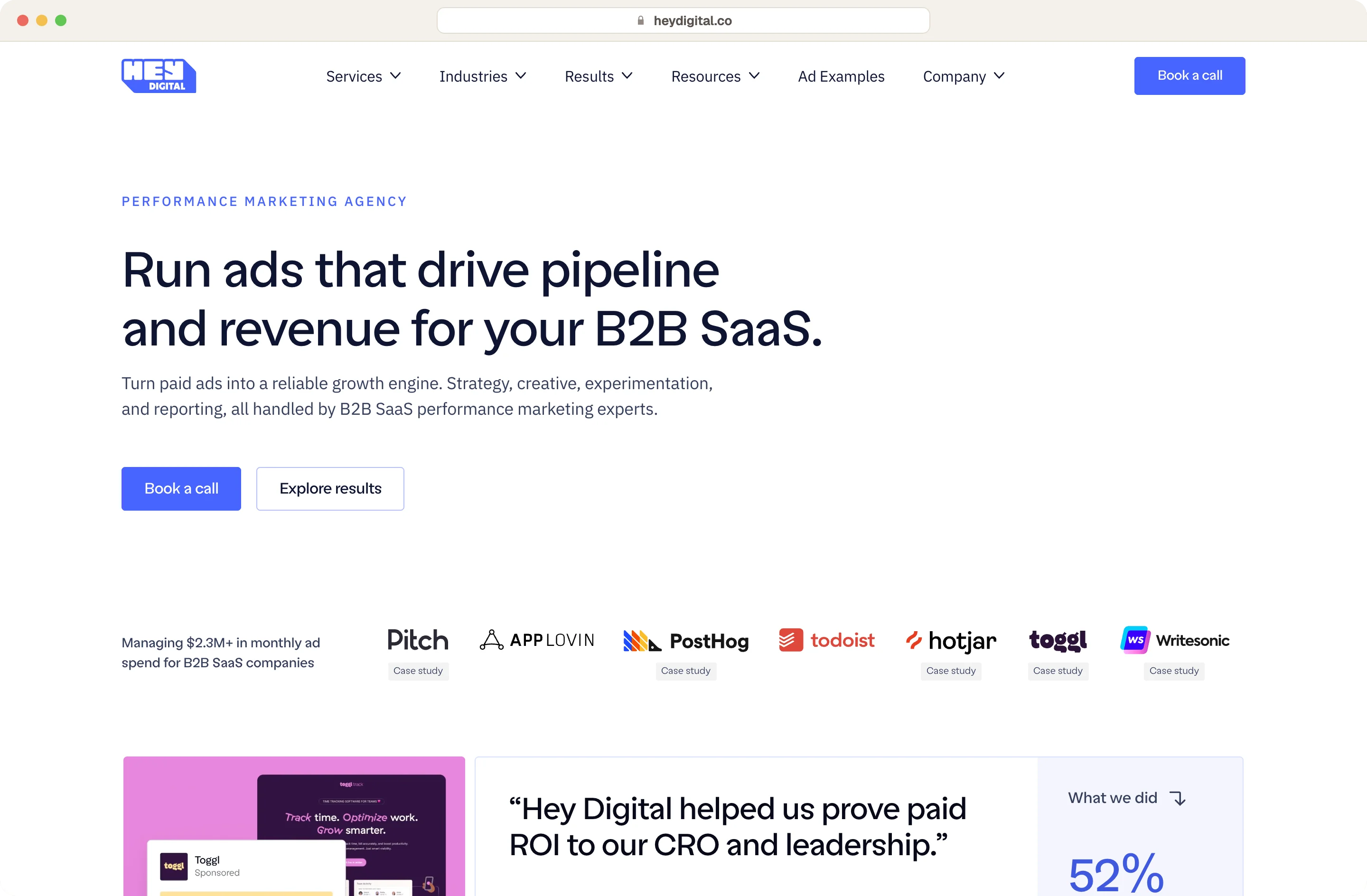
Hey Digital is a paid media agency that only works with B2B SaaS companies. They take the whole paid program off your hands, from strategy and targeting to the ads themselves and the landing pages they point to.
Source: heydigital.co
What they do best:
They only work with SaaS, so they already understand SaaS buyers
Their copywriters and designers are in-house, so new ads get tested quickly
ICP and ABM targeting are part of the media plan from the start
They optimise for pipeline, not clicks or free sign-ups
Every account gets a senior strategist you can reach on Slack
Pick them if: you're a SaaS company and paid ads are the main thing you need fixed.
Skip them if: you're not in SaaS, or you also need help with what happens after the click.
3. RevPartners, best for RevOps on HubSpot and Clay
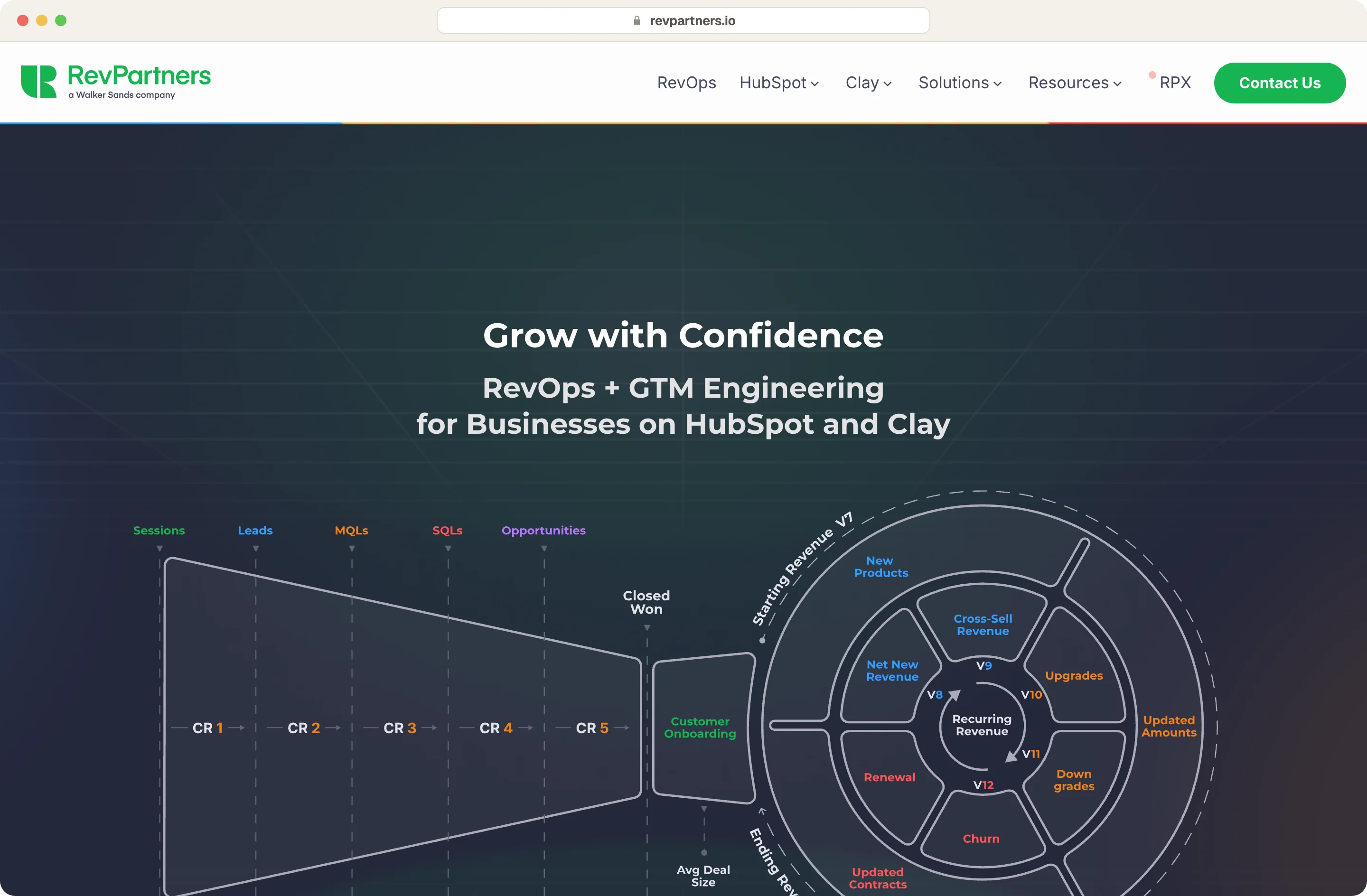
RevPartners is a RevOps agency for companies on HubSpot and Clay. Their main service is fractional RevOps, which means an experienced team working inside yours for as long as you need it.
Source: revpartners.io
What they do best:
Ongoing RevOps help from a team that works alongside yours
HubSpot setups and migrations
Clay setups and enrichment playbooks
An allbound service that mixes paid media with signal-based outreach
Experience well outside software, including manufacturing and healthcare
Pick them if: you're on HubSpot and need ongoing RevOps help, or a CRM migration done properly.
Skip them if: you're on Salesforce, or you want a one-off build with a clean handover.
4. Go Nimbly, best for large RevOps projects
Go Nimbly is a RevOps consultancy for companies whose revenue systems have gotten complicated. They look at how your CRM connects to everything around it, including billing and tools like Gong, and they plan big projects carefully before building anything.
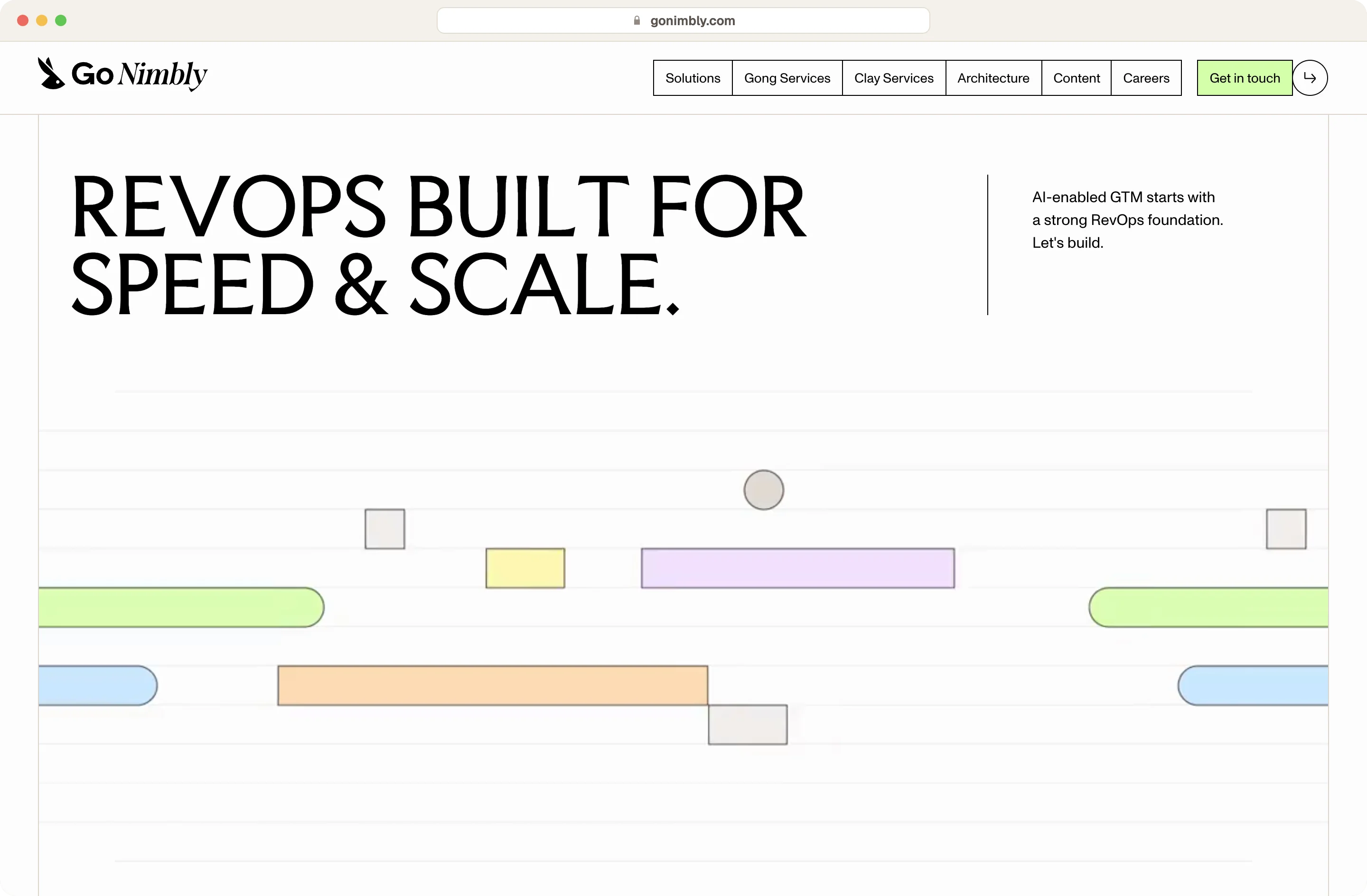
Source: gonimbly.com
What they do best:
Cleaning up account hierarchies and CRM data
Lead routing and the handoffs between teams
Product-led growth scoring, with product data flowing into the CRM
Quote-to-cash and CPQ
Treating data quality as a question of who owns what, not a one-off cleanup
Pick them if: your problem is how your revenue systems fit together, especially once billing and product data are involved.
Skip them if: you need something working in weeks, or your problem is pipeline rather than operations.
5. The Kiln, best for custom Clay engineering
The Kiln is a team of automation specialists and data scientists, several of them early Clay employees. They build custom Clay systems and push the tool further than most agencies on this list.
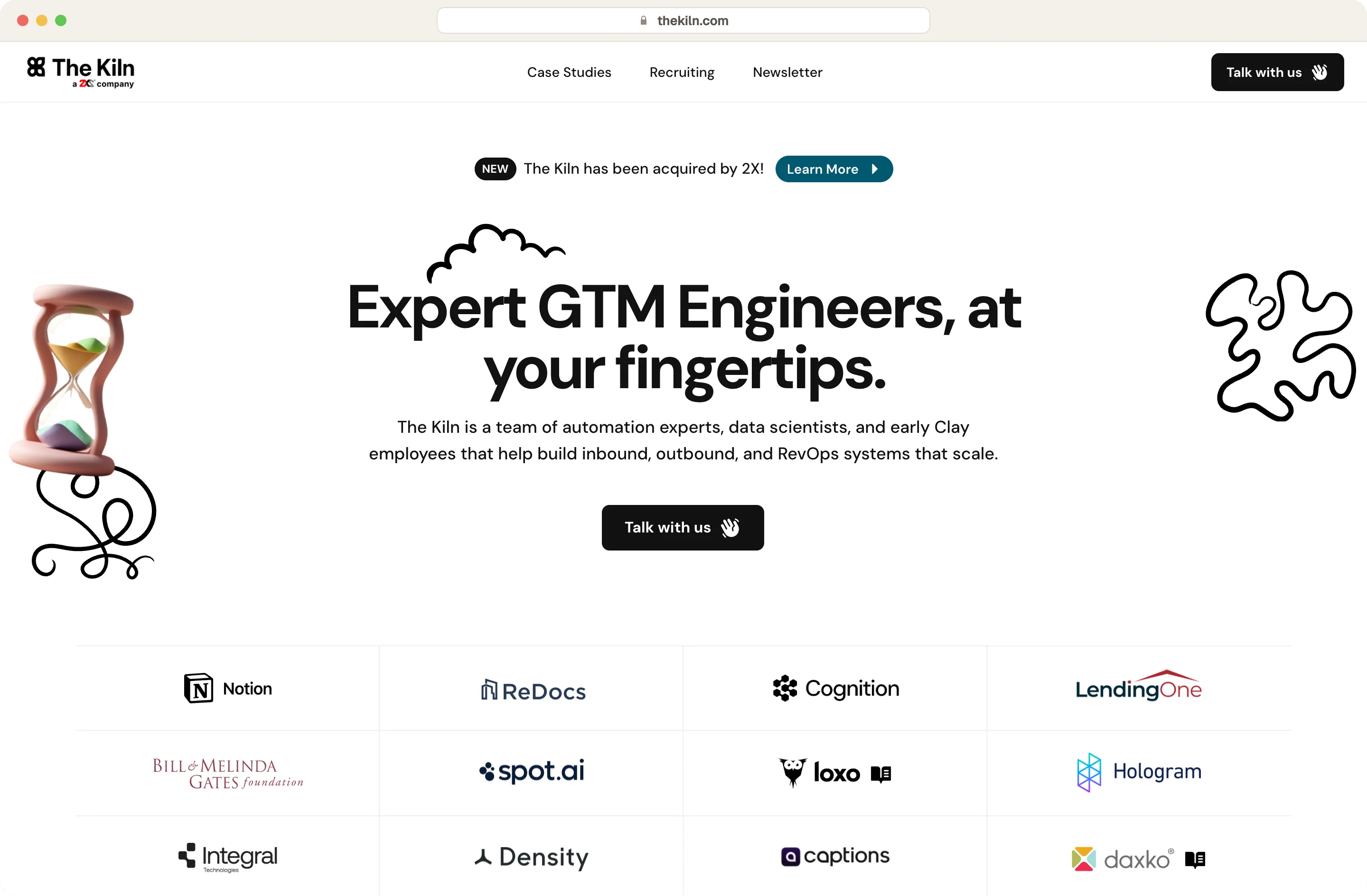
Source: thekiln.com
What they do best:
TAM mapping and deep enrichment beyond the usual data providers
Custom AI agents for account research
Personalised outbound at scale
Inbound lead enrichment and account scoring
Custom builds for markets the standard waterfall doesn't cover
Pick them if: you have someone in-house who can look after a Clay-heavy system.
Skip them if: you don't, because what they build is complex and needs a technical owner. We go deeper on this in our guide to The Kiln alternatives.
What really makes the difference between agencies in the GTM and RevOps industry
Almost every agency on this list uses the same tools. Clay finds and enriches your contacts, and Instantly sends the emails. HeyReach takes care of LinkedIn, and everything ends up in HubSpot or Salesforce. Understory uses these tools. So do we.
So looking at their tools won't tell you much. What does help is asking two simple questions.
Do you want them to do the work, or set your team up to do it? Some agencies do the work for you. They send the emails and manage the ads, and the leads keep coming as long as you pay them. When you stop paying, it stops.
Other agencies build the system and hand it over to your team. Your people learn how it works, and it keeps working after the agency leaves.
Both are fine. The problem is that they often cost about the same and sound alike on a sales call. So it's easy to sign up for one when you really wanted the other.
Is there an end date? Some work never really stops. Keeping your CRM clean is a good example, so paying every month makes sense.
Other work has a clear end, like setting up your outbound. For that, you want a project that finishes with a handover. Watch out for agencies that turn a three-month project into a monthly fee that never ends.
Which Understory Agency alternative fits your situation
There isn't one best agency here. There's the one that fits the problem you actually have. Here's how we'd match them up.
You want one agency to handle your channels for you. Go with Understory. If you can commit for six months and you're happy for an outside team to manage your ads and outbound day to day, that's exactly what they're built for. Just go in knowing that most of the know-how will stay with them, not with your team.
Paid ads are your only gap, and you're in SaaS. Hey Digital. Your outbound works and your CRM is in decent shape, but paid just isn't pulling its weight. A specialist that only does SaaS ads will usually beat a bundle there, and you won't pay for channels you don't need.
Your CRM is the problem and you're on HubSpot. RevPartners. Maybe your reps don't trust the data, or your pipeline report changes every time someone pulls it. That's an operations problem before it's a marketing one, and RevPartners gives you an experienced RevOps team for as long as you need it.
Your CRM and billing data don't talk to each other. Go Nimbly. This tends to happen at bigger companies, where finance and sales each keep their own version of the truth. Go Nimbly will take the time to map it all properly before building anything, so expect a longer runway and a proper budget.
You need custom Clay work and have someone to look after it. The Kiln. If your market is hard to find in standard databases, or you need research no data provider sells, they'll build something that works. Just make sure someone technical on your side can keep it going once they're done.
You want one allbound engine your own team can manage after we leave. That's us. You want outbound and inbound working as one system, built by people with sales experience. And you want it handed over at the end, so your team owns it and you're not depending on an agency for years.
Hire Nebor to build a GTM and RevOps engine your own team can operate
If you want a GTM and RevOps system your own team can actually use, built by people with sales experience, that's what we do.
We start with your ICP and your buyers. Then we build your outbound and inbound as one system inside your own accounts. When it's ready, we hand it over, and your team owns it and knows how to change it.
Book a 15-minute call and tell us what isn't working. We'll tell you how we'd fix it.


Related Articles


By clicking Sign Up you're confirming that you agree with our Terms and Conditions.